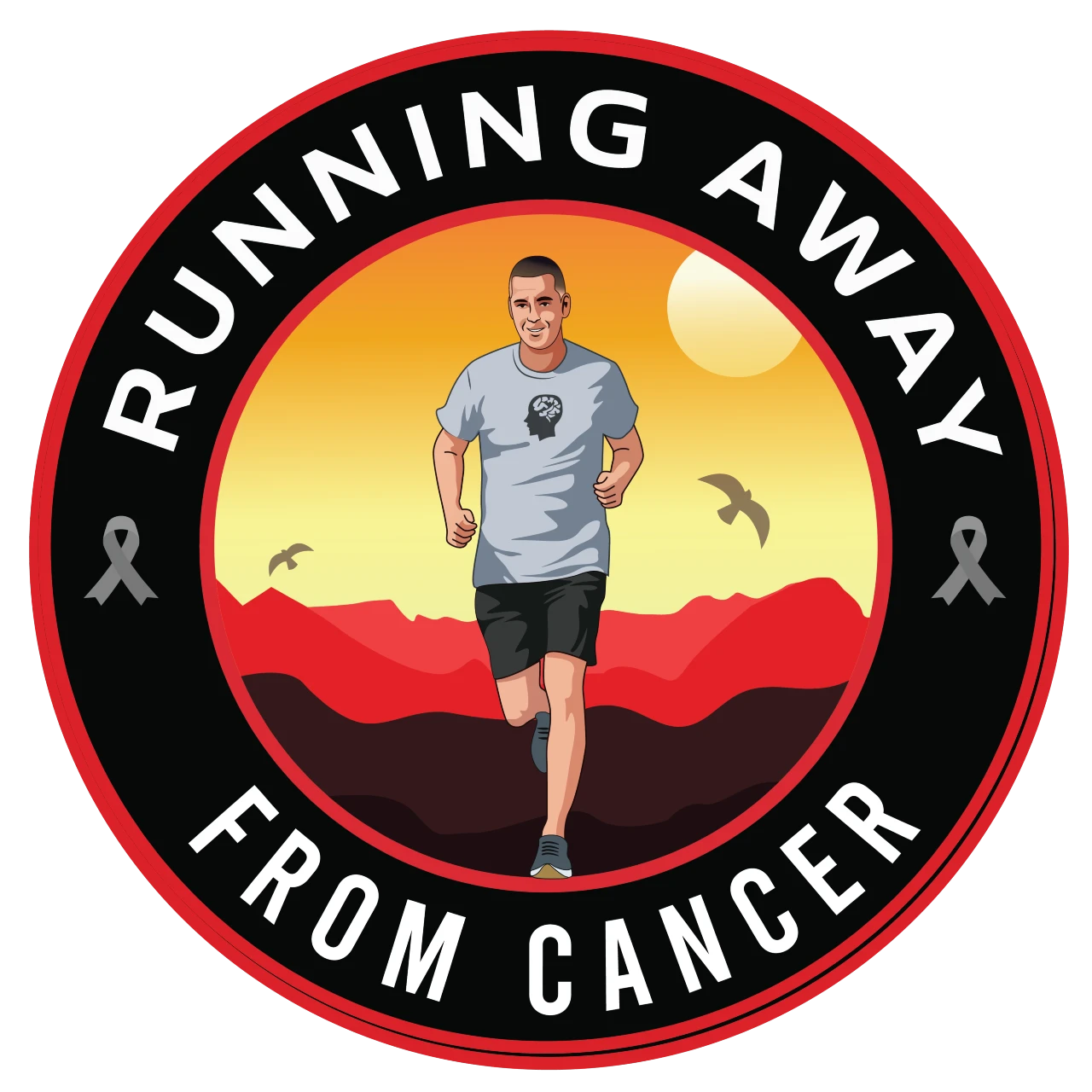

If you've ever wondered how running changed my life after cancer, you're not alone. For thousands of cancer survivors, the road to recovery is paved with uncertainty, fear, and moments…
If you’ve ever wondered how running changed my life after cancer, you’re not alone. For thousands of cancer survivors, the road to recovery is paved with uncertainty, fear, and moments of profound doubt. For me — Greg Schnoor, brain cancer survivor and ultramarathon runner — that road became quite literal. What started as a desperate search for control over an uncontrollable diagnosis evolved into a life-defining journey across mountain trails, desert paths, and finish lines I never imagined I’d cross. This is the story of how running didn’t just help me survive cancer — it helped me reclaim who I am.
The Diagnosis That Changed Everything
Nobody expects to hear the words “brain tumor.” I certainly didn’t. My story began in a way that still feels surreal — a routine sinus surgery that accidentally revealed something far more serious lurking inside my skull. You can read the full account in how a sinus surgery led to my brain tumor diagnosis — and saved my life, but the short version is this: what should have been a minor procedure turned into a life-altering revelation.
After the diagnosis came the whirlwind — consultations, second opinions, and the terrifying process of deciding who would operate on my brain. I didn’t settle for the first answer I received. As I’ve shared in my piece about finding the right doctor and why I saw 3 neurosurgeons before deciding, advocating for yourself in medicine isn’t optional — it’s survival. That same defiant mindset would later carry me across ultramarathon finish lines.
When Everything Is Taken From You
Cancer has a way of stripping you down to nothing. Your identity, your routines, your sense of safety — all of it gets dismantled. In those early days post-surgery, I wasn’t thinking about running. I was thinking about whether I’d ever feel like myself again. Brain cancer doesn’t just threaten your body; it threatens who you are at the most fundamental level. Your memory, your personality, your capacity for joy — all of it hangs in the balance.
It was in that emptiness that I found the trail. Not in a poetic, cinematic way — but in a raw, stumbling, desperate way. I needed to move. I needed to prove to myself that my body still worked. That I still worked.
How Running Changed My Life After Cancer — Mile by Mile
The first runs were humbling. Short, slow, and often painful. But something happened in those early miles that no medication or therapy could replicate — I started feeling like a survivor rather than a patient. Running gave me back a sense of agency. Every step forward was a vote against the version of myself that cancer wanted to create: passive, fearful, diminished.
Over time, those short runs became longer. The miles started stacking up. And somewhere along the way, I stopped running away from fear and started running toward something bigger. Ultramarathons. Adventures in places that challenged my body and my mind in equal measure. The mountains didn’t care about my diagnosis. The trails didn’t offer sympathy. And that was exactly what I needed.
The Mental Transformation
What surprised me most about how running changed my life after cancer wasn’t the physical recovery — it was the mental one. Running taught me to sit with discomfort without catastrophizing it. At mile 30 of an ultramarathon, when your legs are screaming and your mind is begging you to quit, you learn something profound: you are not your pain. You are the person who chooses to keep moving despite it.
That lesson doesn’t stay on the trail. It follows you into hospital waiting rooms, into hard conversations with doctors, into the dark nights when fear creeps back in. Running became my meditation, my therapy, and my most defiant act of living.
Music, Emotion, and the Creative Outlet Running Unlocked
Running also opened unexpected creative doors. The solitude of long miles gave me space to process emotions I’d buried under the noise of treatment and recovery. Some of that processing found its way into music — something I wrote about in Melodic Thoughts by Greg Schnoor: a song born from negativity. Creativity and physical endurance, it turns out, draw from the same well of resilience.
What Running Teaches You That Cancer Can’t Take Away
Cancer can take your hair, your energy, your sense of security. But there are things it cannot touch — and running helped me discover exactly what those things are. Here’s what I’ve learned from years of running after a brain cancer diagnosis:
- Your body is more capable than your fear gives it credit for. The body that survived brain surgery can also run ultramarathons. Never let a diagnosis write the final chapter.
- Forward motion is its own form of healing. You don’t need to run fast or far. You just need to move — consistently, purposefully, defiantly.
- Community matters. The running community welcomed me without pity. They saw a runner, not a patient. That shift in identity was transformative.
- Suffering on your own terms is empowering. In ultramarathons, you choose to suffer. After cancer, where suffering is imposed on you, choosing it is an extraordinary act of reclamation.
- Your story is your strength. Every mile I’ve run has added to a story worth telling — and worth sharing with others who are fighting their own battles.
Running Away From Cancer: A Story Worth Telling
Everything I’ve experienced — the diagnosis, the surgeries, the doubt, the trails, the ultramarathons, the moments of pure joy at 4 a.m. on a mountain — is captured in my memoir, Running Away From Cancer. It’s not a book about surviving. It’s a book about living — loudly, stubbornly, and with your running shoes laced up tight.
The story of how running changed my life after cancer is one I hope resonates with anyone who has faced their own version of an impossible diagnosis. You don’t have to be a runner to connect with it. You just have to be someone who refuses to give up.
The memoir is available as a paperback, audiobook, and eBook — so you can take it with you on the trail, on the treadmill, or through whatever journey you’re currently navigating.
Frequently Asked Questions
Can cancer survivors safely take up running?
Many cancer survivors find running — and exercise in general — to be a powerful part of their recovery, both physically and mentally. However, every individual’s situation is different, and it’s important to consult your oncologist or medical team before beginning or increasing any exercise program after cancer treatment. What’s right for one survivor may not be right for another, and your doctors can help you build a plan that supports your specific recovery needs.
How did running help with the emotional impact of a brain cancer diagnosis?
For me, running became a form of moving meditation — a way to process fear, grief, and uncertainty without being paralyzed by them. The rhythmic nature of running, especially on trails, has a grounding effect that’s hard to describe until you’ve experienced it. It also gave me back a sense of control and identity at a time when cancer had stripped both away. The mental benefits of running after cancer were, in many ways, more significant than the physical ones.
What is the book “Running Away From Cancer” about?
Running Away From Cancer is a memoir by Greg Schnoor — a brain cancer survivor who went on to run ultramarathons — chronicling his diagnosis, recovery, and the running journey that helped him reclaim his life. It’s a story of resilience, defiance, and the extraordinary things the human body and spirit are capable of when pushed to their limits. The book is available in paperback, audiobook, and eBook format through the Running Away From Cancer website.
Where can I learn more about Greg’s cancer journey and running story?
The Running Away From Cancer website is the best place to explore Greg’s full story — from his unexpected brain tumor discovery to his ultramarathon adventures. You’ll find blog articles, personal reflections, and details about the memoir. Whether you’re a cancer survivor, a runner, or simply someone looking for a story of genuine human resilience, there’s something here for you. Start by exploring the blog and diving into the memoir that started it all.
Ready to be inspired? Whether you’re in the middle of your own fight or searching for proof that life on the other side of cancer is worth fighting for, Running Away From Cancer was written for you. Grab your copy of the memoir — available as a paperback, audiobook, or eBook — and step onto the trail with Greg. Your comeback story starts now. Visit Running Away From Cancer today and take the first step.