
While many of you know me for my miles on the trail, I’ve always had another outlet that keeps me grounded: music production. Long before I was checking off 100-milers, I was behind the decks. Back
While many of you know me for my miles on the trail, I’ve always had another outlet that keeps me grounded: music production.
Long before I was checking off 100-milers, I was behind the decks. Back in the day, I was a scratch DJ, treating the turntable like a true instrument and cutting vinyl to the sounds of breakbeats, house, and downtempo. That tactile connection to the music eventually evolved into a deep passion for creating my own sounds—specifically downtempo and hip-hop beats.
The Evolution of the Gear
I’ve seen the “tech stack” of music change just as much as web development has. I started out on heavy-duty, old-school hardware like the legendary Yamaha RS7000. It was a powerhouse, but it wasn’t exactly portable.
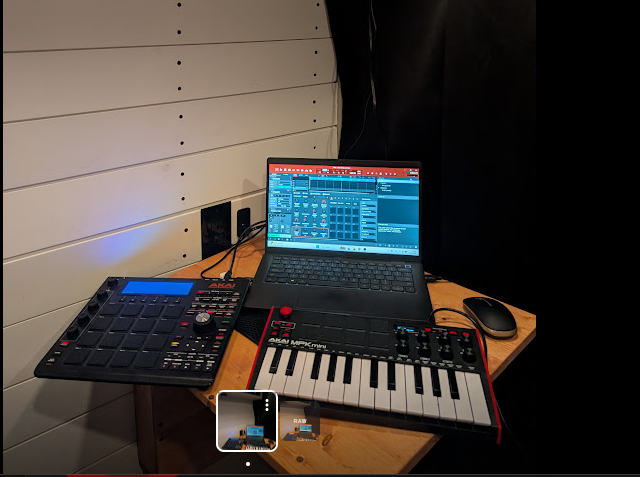
Over the years, I’ve traded the bulky racks for a more “lightweight and portable” setup. These days, I can produce a track anywhere with my Akai MPC, a mini-keyboard, and my laptop. It’s a lot like my running gear—minimalist, efficient, and ready to go whenever inspiration strikes.
The Ultimate Outlet
Music has been more than just a hobby; it’s been a lifeline. Just like trail running, working on a beat has gotten me through some of my hardest chapters. When life gets heavy or negative things start to pile up, the studio (even a portable one) becomes my sanctuary.
Whether it’s a 100 mile ultramarathon or a late-night session on the MPC, having that outlet to process the world is everything. It’s not just about the final track or the finish line—it’s about the rhythm that gets you there.